The truck leaves the studio at half past eleven at night and gets back a little after nine in the morning. Aurélie does the run four times a week and has done since 2016, which is the year we stopped buying at Rungis and started buying from growers directly.
Doué-la-Fontaine is about three hundred and thirty kilometres from Le Marais. The A11 at two in the morning is empty and the drive takes a bit under four hours.
Why anybody would do this
A stem bought at a wholesale market has usually been cut two or three days earlier, and it has passed through a grower, an exporter, an auction and a wholesaler, each of them holding it for a few hours at whatever temperature was convenient.
Cut flowers do not recover time. Every hour warm is an hour off the vase life at the other end, and by the time a market stem reaches a Paris shop it has often spent a full day above ten degrees.
Nine growers now cut to our order. They cut in the dark, between four and five, because a stem cut cold and full of water in the field behaves differently from one cut at noon. Then it goes straight into buckets of treated water in a chilled trailer at six degrees.
What you see at four in the morning
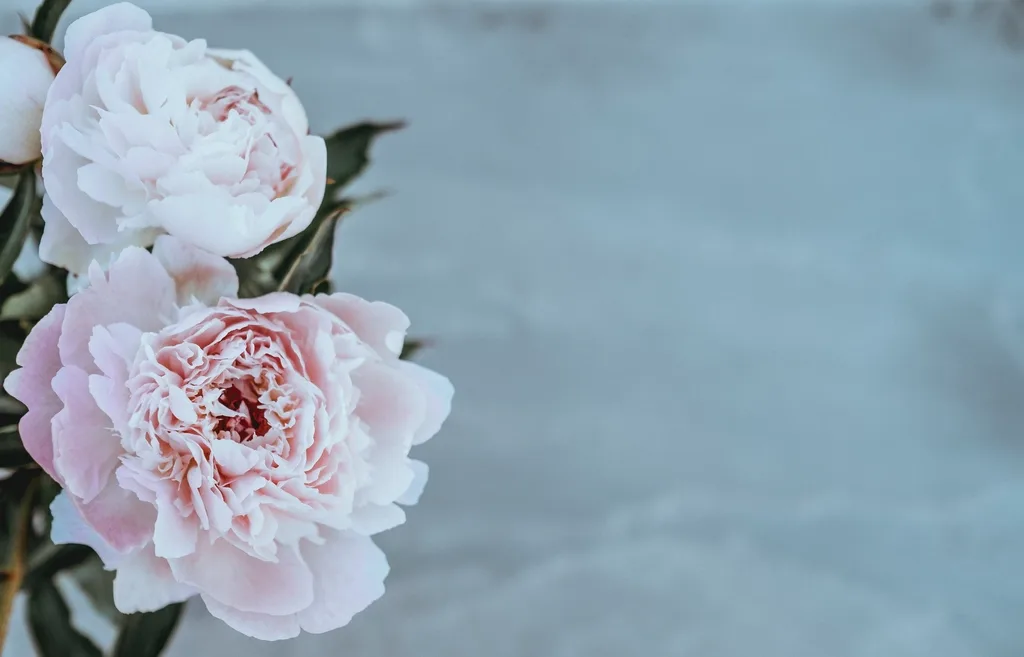
Head torches, mostly. A peony field being cut to order is quieter than you expect and much faster: a picker takes the bud at the marshmallow stage, when it gives slightly under a thumb but has not opened, because a peony cut open is a peony that has already spent half its life.
The disagreements are all about stage. We want ranunculus tighter than the grower wants to cut it, because we are two days closer to the customer than a wholesaler would be. We want peony looser in December, when Paris flats are heated and everything opens fast.
Those conversations happen standing in a field at four in the morning, which is why they get resolved.
Back on the bench by nine
The truck reaches Rue de la Perle around a quarter past eight. Everything comes off, gets re-cut at an angle under water, stripped of anything that would sit below the water line, and rests for two hours in flower food before a florist is allowed to touch it.
That two-hour rest is not tradition. A stem that has been travelling needs to drink before it is handled, and a bouquet built from thirsty stems drops within a day of arriving.
Seventy-one percent of what we sell now comes direct from Anjou. The rest is local Paris growing, plus a small amount of imported material for things that do not grow here at all. We would rather the direct number were higher. It is limited by how many nights a week one person can drive.